


Disclaimer: The information provided in this publication is for educational and informational purposes only and does not constitute financial advice. The content is solely reflective of my personal views and opinions based on my research and is not intended to be used as a basis for investment decisions. While every effort is made to ensure that the information is accurate and up-to-date, the writer makes no representations as to the accuracy, completeness, suitability, or validity of any information in this post and will not be liable for any errors, omissions, or delays in this information or any losses, injuries, or damages arising from its display or use. All readers are advised to conduct their own independent research or consult a professional financial advisor before making any investment decisions. The author is not invested in the mentioned stock.
*Affiliate link – Get 15% off Fiscal.ai (formerly Finchat)

This Substack is reader-supported. To receive new posts and support my work, consider becoming a free or paid subscriber.
Norbit ASA – Can This Norwegian Tech Niche Keep Growing?
Norbit ASA might not be a household name, but this Norwegian technology company has been quietly building a powerful presence in niche markets – from cutting-edge maritime sonar systems to smart transport solutions and high-tech manufacturing. In recent years, Norbit has delivered rapid growth and impressive profitability, attracting the attention of long-term investors looking for a mix of innovation and solid financial performance.
In this post, we’ll take a deep dive into Norbit’s business model, explore its latest financial results, and break down both the bullish and bearish cases for the stock. Whether you’re already following this hidden gem or discovering it for the first time, this analysis will help you understand what makes Norbit a unique and potentially rewarding investment opportunity.
Company Overview
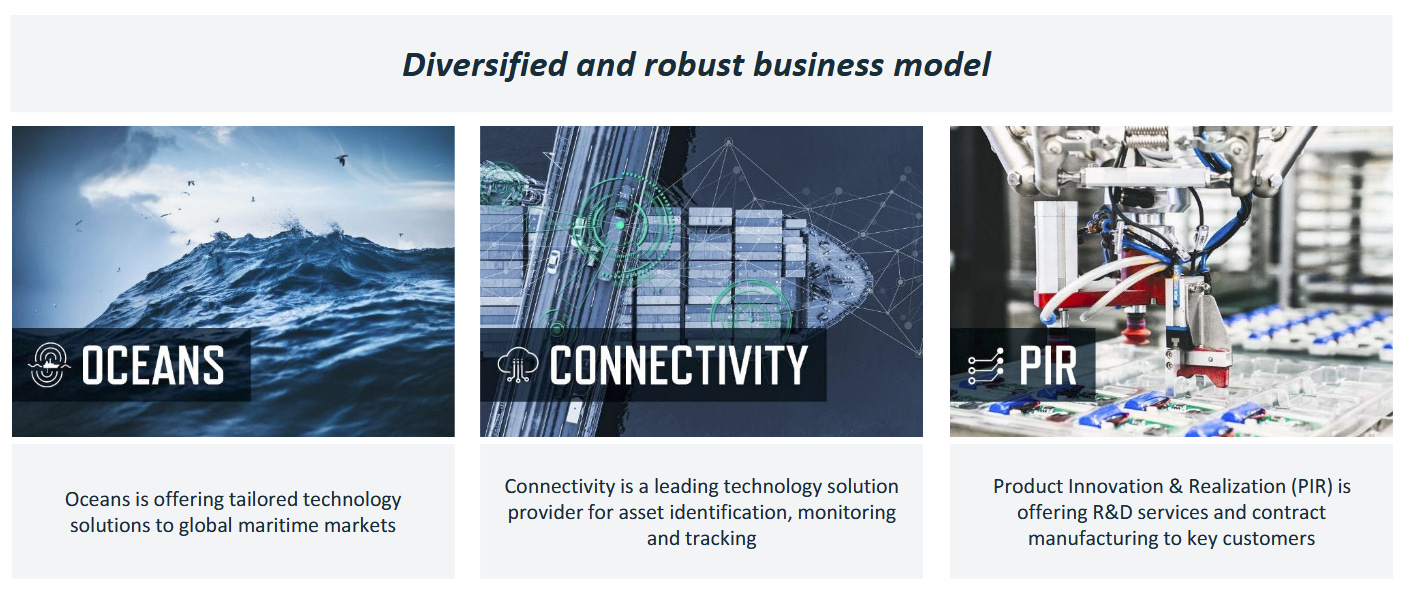
Norbit ASA* is a Norwegian technology company that provides tailored tech solutions in carefully selected niches. Its operations are organized into three main business segments: Oceans, Connectivity, and Product Innovation & Realization (PIR). The Oceans segment delivers advanced technology for global maritime markets, the Connectivity segment provides wireless solutions for identification, monitoring, and tracking, and the PIR segment offers R&D services and contract manufacturing for key industrial customers. Founded in 1995, Norbit has grown into a global organization with around 600 employees, manufacturing facilities in Europe and North America, and a worldwide sales network. The company listed on the Oslo Stock Exchange in June 2019 under the ticker NORBT. Norbit’s mission is “to Explore More,” using innovative technology to solve challenges and promote sustainability in its target markets.
Latest Financials
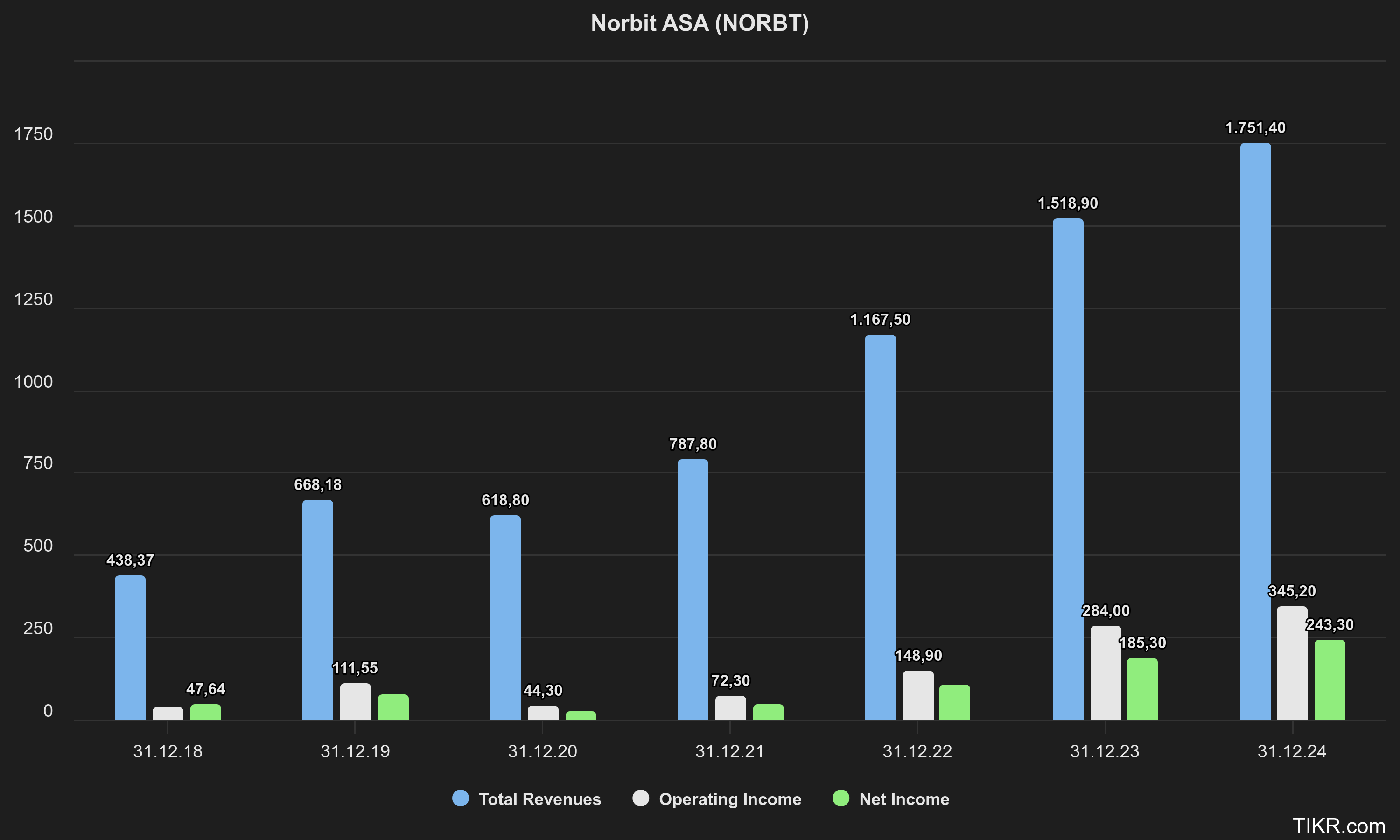
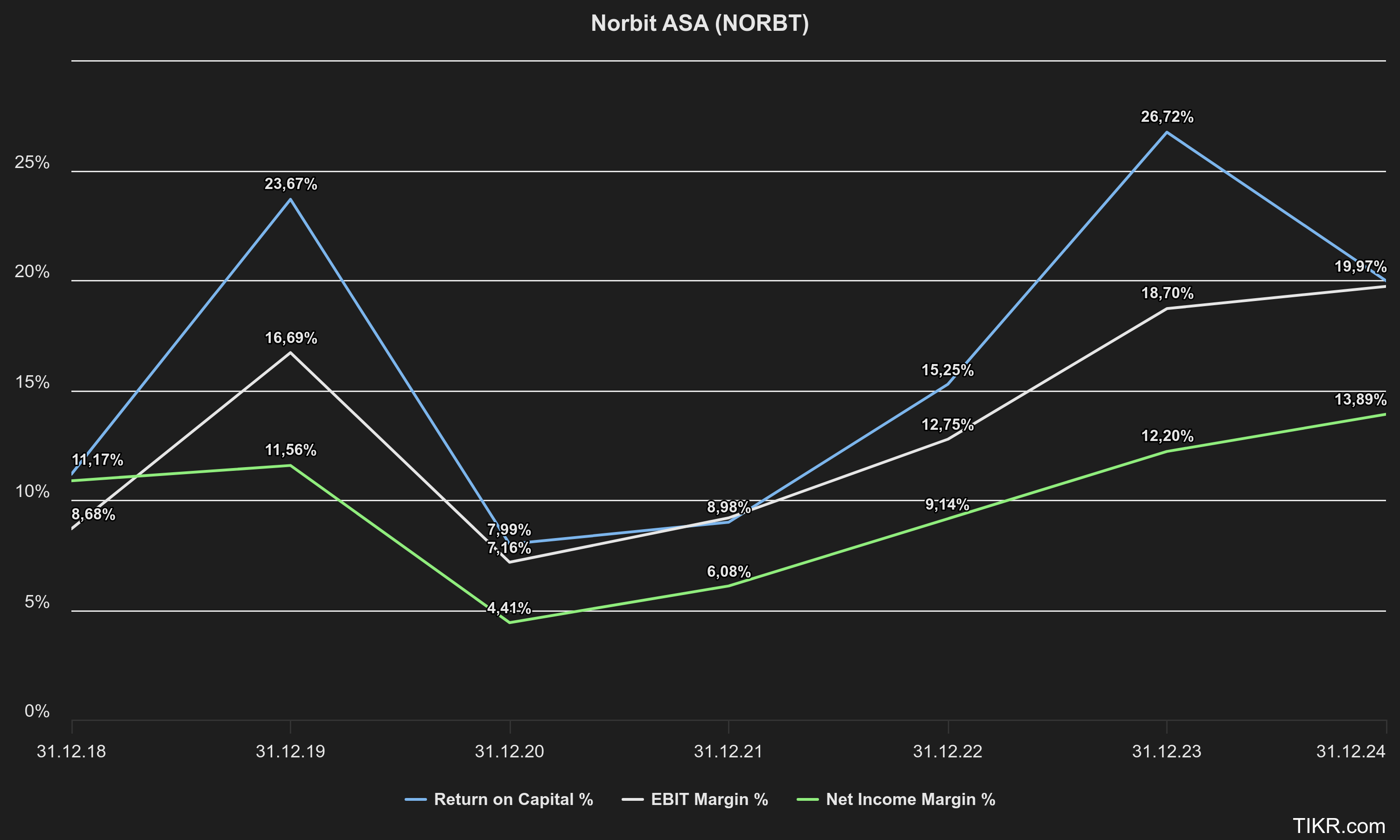
Norbit has demonstrated strong financial momentum, with record results in the past year. According to its 2024 annual report, the company delivered all-time high revenues of NOK 1,751.4 million in 2024, achieving ~15% growth year-on-year. Operating profit (EBIT) for 2024 was NOK 341.7 million, giving an EBIT margin of about 20%. This robust performance continued into 2025 with an acceleration in growth. In the second quarter of 2025, Norbit’s revenues surged to NOK 684.4 million, an increase of 63% compared to the same quarter of 2024. All three segments contributed to this expansion, reflecting broad-based demand. Notably, the Q2 2025 EBIT came in at NOK 174.2 million (vs. NOK 101.8m a year prior), representing a healthy 25% operating margin, slightly up from 24% in Q2 2024.
Year-to-date figures underscore the company’s improved profitability. For the first half of 2025, Norbit’s revenues reached NOK 1,206.1 million, up 46% from H1 2024. First-half EBIT was NOK 301.5 million – more than double the NOK 142.9 million in the same period last year – with an EBIT margin of 25%. Net income and earnings per share have grown sharply. In Q2 2025, net profit was NOK 131.4 million, up from NOK 72.1 million in Q2 2024, and diluted EPS rose to NOK 2.06 from NOK 1.20 the year before. For the first half, EPS stood at NOK 3.46, roughly double the NOK 1.70 in H1 2024. This earnings growth reflects both higher sales and improved margins, indicating scalability in Norbit’s operations.
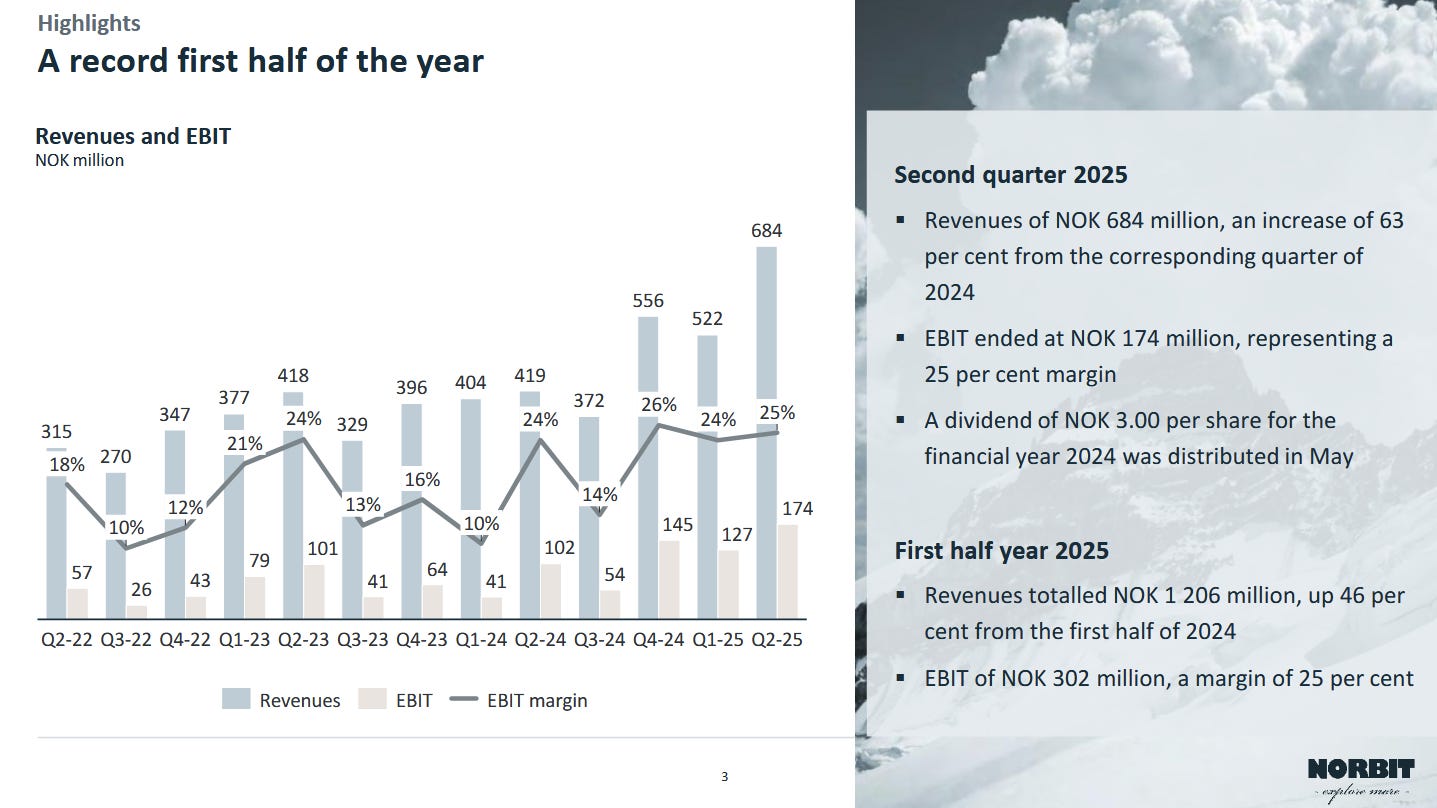
Looking at segment performance in the latest quarter: the Oceans segment continued to hit new highs, with Q2 2025 revenues of NOK 239 million (up 22% YoY, or 11% organic excluding the Innomar acquisition). Oceans achieved an impressive 36% EBIT margin in the quarter, highlighting the strong profitability of Norbit’s niche maritime products. The Connectivity segment was a standout performer – revenues jumped 67% YoY to NOK 169.8 million in Q2 – fueled by large orders for on-board units and digital tachograph modules as the EU mandates the replacement of all old analog tachographs. Connectivity’s EBIT margin rose to 32% (from 20% a year ago) on higher volumes. The PIR segment effectively doubled in size, with Q2 revenues of NOK 293.1 million (a 118% YoY increase) driven by strong demand from defense/security and other industrial clients. PIR’s EBIT was NOK 59.6 million in Q2, for a 20% margin (up from 13% last year). This marked improvement in PIR’s margin suggests better fixed-cost absorption and a richer sales mix in 2025. Overall, Norbit’s latest financial results depict a company in high-growth mode, with expanding top-line and solid mid-20s percentage operating margins.
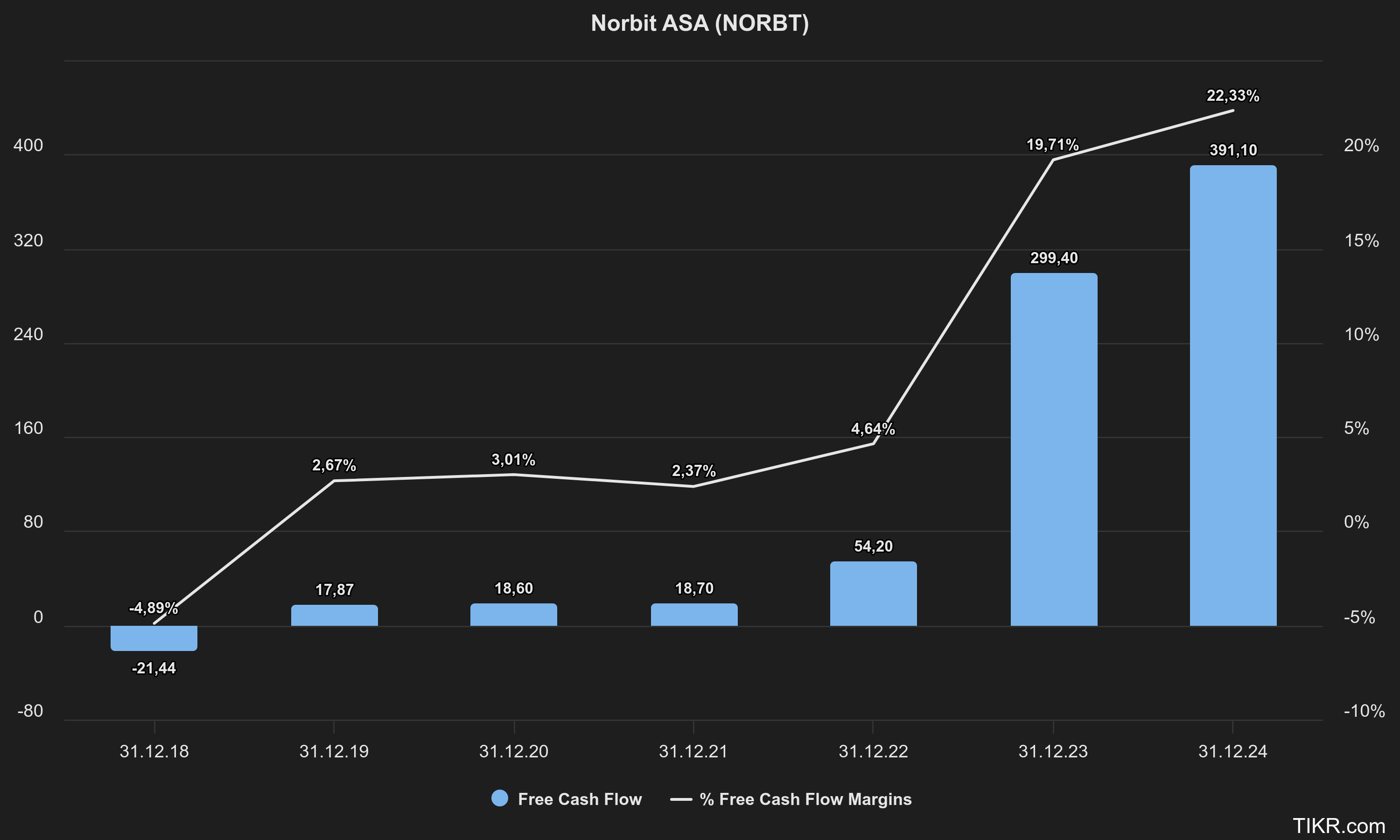
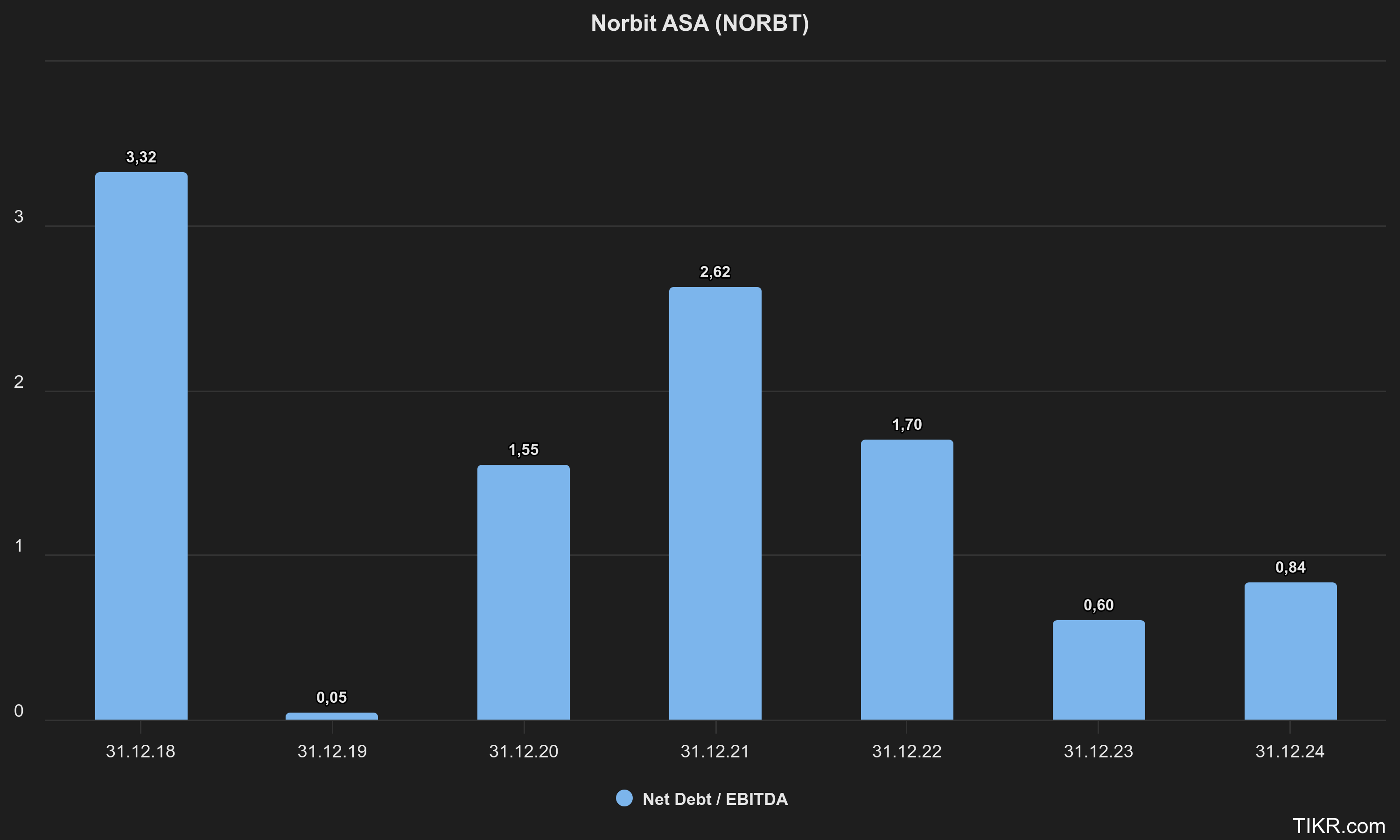
It’s also worth noting Norbit’s cash flow and investments. The company has been investing significantly in R&D and capacity to support growth. In 2024, Norbit acquired Innomar (a German sub-bottom profiler manufacturer) to bolster its Oceans segment, funding the deal with a mix of debt and equity. It raised approximately NOK 200 million in a private placement at NOK 77 per share to help finance this acquisition. Despite these investments, Norbit’s balance sheet remains sound – at mid-2024, pro-forma net interest-bearing debt to EBITDA was around 1.1× after the Innomar deal, well within the company’s target leverage range. This financial flexibility has enabled Norbit to both pursue growth opportunities and reward shareholders (as discussed next).
Key financials
Business Model
Norbit’s Oceans segment (also referred to as Norbit Oceans/Subsea) specializes in high-performance sonar and sensor systems for maritime applications. This includes multibeam echo sounders for seafloor mapping and bathymetry, forward-looking sonars for obstacle avoidance and mine detection, and underwater security products. For example, Norbit produces the WINGHEAD series of ultra-high-resolution multibeam sonars and the GuardPoint intruder detection sonars, which are used for tasks like dredging, offshore construction, search-and-recovery, and harbor surveillance. The Oceans segment’s cutting-edge products serve both civil and defense needs – from mapping seabed terrain for renewable energy projects to protecting critical infrastructure with underwater security systems.
The Connectivity segment focuses on intelligent connectivity solutions for transportation and asset tracking. Norbit is a leader in Intelligent Traffic Systems (ITS), providing on-board units and infrastructure for electronic toll collection, smart tachographs, and telematics services. Notably, Norbit supplies Dedicated Short-Range Communication (DSRC) devices and modules required for Europe’s digital tachograph mandate and satellite-based tolling systems. This segment was strengthened by Norbit’s acquisition of Hungary-based iData in 2021, a company specializing in vehicle tracking and fleet management with a subscription-based revenue model. Through iData, Norbit’s Connectivity unit expanded into telematics services (monitoring ~34,000 vehicles) and gained a high share of recurring revenue streams. Overall, the Connectivity segment’s products (such as smart traffic tags, wireless sensors, and fleet management software) enable real-time monitoring and identification of vehicles and assets, catering to the growing demand for intelligent transport solutions.
The Product Innovation & Realization (PIR) segment provides outsourced R&D, product design, and electronics manufacturing services. In essence, PIR is Norbit’s technology incubator and manufacturing arm, allowing the company to leverage its engineering expertise and facilities to serve external customers. This segment undertakes contract manufacturing of electronics and develops proprietary products (often under long-term agreements with industrial clients) across various applications – from radar and radio-frequency modules to embedded sensor systems. PIR’s in-house capabilities (partly rooted in Norbit’s legacy after acquiring a Kitron electronics unit years ago) give it a high degree of vertical integration in production. The segment’s customer base includes defense and security clients, automotive electronics suppliers, and other industrial companies. For example, PIR recently benefited from a large European defense-sector order (~NOK 125 million) for delivery in Q4 2025. While PIR’s profit margins are lower than the product-oriented segments (reflecting the contract manufacturing economics), it provides Norbit with stable revenues and the opportunity to commercialize new innovations developed by its R&D teams.
Strengths and Competitive Advantages
Norbit has crafted a business model with several strengths that support its long-term investment appeal:
Niche Market Leadership: Each of Norbit’s segments targets specialized niches where the company can leverage unique expertise without facing giant competitors head-on. In the Oceans segment, Norbit is a leader in compact multibeam sonars and related marine sensing tech, with proprietary designs (e.g. its cylindrical sonar arrays) that offer high performance in challenging environments. This gives Norbit a defensible position in maritime markets like bathymetric survey and harbor security. Similarly, in Connectivity, Norbit has carved out a strong position in ITS equipment (such as tolling and tachograph systems) at a time when regulatory changes are driving demand – the EU’s new smart tachograph requirement is a prime example that Norbit is capitalizing on. By being focused and excellent in these domains, Norbit enjoys higher margins and growth rates than if it were in broad, commoditized markets.
Diversified yet Synergistic Segments: Norbit’s three segments serve different end markets (maritime, transportation, industrial), which provides diversification of revenue streams. This reduces the company’s reliance on any single industry cycle. At the same time, the segments share underlying technological competencies (sensors, electronics, wireless communications) and a common manufacturing base. There are synergies in R&D and production – for instance, the PIR segment can manufacture electronics for Oceans’ sonar products or Connectivity’s devices, keeping more value in-house. Management notes that the “diversified business model” has been validated by the company’s results, with all segments contributing to growth. The broad base of drivers (in Q4 2024, Oceans grew 52%, Connectivity 31%, PIR 33%) creates a solid foundation: if one segment faces a temporary slowdown, the others can help pick up the slack.
Strong Growth Track Record and Pipeline: Norbit has been delivering robust growth, with revenue CAGR (compound annual growth) in double digits. 2024 was a record year (15% growth), and 2025 is on track for an even higher growth rate. Importantly, some of this growth is fueled by secular tailwinds and product launches rather than one-off contracts. For example, Connectivity’s sales are getting a boost from the mandated upgrade cycle for digital tachographs across Europe, which is a multi-year wave. Oceans is benefiting from increased spending on offshore infrastructure (wind farms, subsea exploration) and heightened focus on maritime security. Meanwhile, PIR has a growing order book (including defense-related projects) indicating strong demand. Norbit’s ability to consistently innovate (the company invested heavily in R&D in 2024 and expanded production capacity) suggests it can capture these opportunities. New product introductions – such as next-generation sonar systems (e.g. the new WBMS X sonar) or enhanced connectivity solutions – keep the portfolio competitive and fuel organic growth.
High Profitability and Financial Discipline: Despite being in growth mode, Norbit maintains healthy margins. The consolidated EBITDA margin was ~31% in Q2 2025, and EBIT margin ~25%, which are quite impressive for an industrial tech company. The Oceans segment routinely posts EBIT margins in the 30–40% range thanks to its high-value products, and even the manufacturing-heavy PIR segment improved to ~20% EBIT margin recently. This profitability reflects a combination of proprietary products (allowing premium pricing) and economies of scale as revenue grows. Furthermore, Norbit has been judicious in its use of debt – keeping leverage modest – and exhibits a balanced approach to capital allocation (reinvesting for growth while paying dividends). Such financial discipline lowers risk and gives management flexibility to seize strategic opportunities, like acquisitions, without overstretching the balance sheet.
Recurring and Sticky Revenue Streams: While Norbit sells a lot of equipment, a portion of its revenue is recurring or highly repeat-business oriented. The Connectivity segment, after the iData acquisition, now enjoys subscription-based income from fleet management services and device rentals, which had an annual recurring revenue >80% of iData’s sales at acquisition. This adds a stable, software-like income component to the mix. Additionally, many of Norbit’s product sales lead to long-term customer relationships – e.g. once a coast guard adopts Norbit’s sonar for harbor surveillance, they are likely to order upgrades and related services over time. The installed base of hardware can yield maintenance, training, and upgrade revenues. In PIR, contracts with key customers often span years and multiple projects. These factors give Norbit a degree of revenue visibility and customer stickiness that supports long-term planning.
Skin in the Game (Insider Ownership): Norbit’s leadership and founding stakeholders retain significant ownership stakes, aligning their interests with shareholders. CEO Per Jørgen Weisethaunet’s investment company (Petors AS) owns about 11% of shares, and one of the founders (Steffen Kirknes via VHF Invest and family holding) owns roughly 15% combined. Such insider ownership is a positive sign for investors as it implies management will act like owners and focus on long-term value creation. It also means insider selling is unlikely to suddenly flood the market, and any share buybacks (if initiated) would further concentrate ownership.
In summary, Norbit’s competitive advantages lie in its focus on high-value niches, diversified-yet-complementary operations, strong growth drivers, and solid financial footing. The company has proven adept at identifying market needs in its niches and delivering innovative solutions, which has translated into profitable growth.
Weaknesses and Risk Factors
Despite its strengths, Norbit is not without challenges or risks. Long-term investors should be mindful of the following potential weaknesses:
Supply Chain and Component Dependency: As a hardware-centric technology provider, Norbit relies on procuring specialized electronic components (semiconductors, sensors, etc.) to build its products. In recent periods, global supply chain issues have posed a risk. Norbit itself acknowledges that one of its most significant risks is the shortage of electronic components, which could delay production or deliveries. Lead times for certain components have been extended and require careful management of inventory. While the situation has improved from the peak of the semiconductor crunch, any recurrence of supply bottlenecks (due to geopolitics, trade restrictions, or surges in demand) could impact Norbit’s ability to fulfill orders on time. This risk is especially pertinent for the PIR segment’s contract manufacturing, where timely component supply is critical to meet client schedules.
Competitive Pressures: Norbit operates in markets that, though niche, are not without competition. Larger companies with greater resources could target some of Norbit’s niches if they see attractive growth. For instance, in maritime technology (Oceans segment), companies like Kongsberg Gruppen (a major Norwegian defense and marine tech firm) or international players like Teledyne Marine could compete on sonar and marine sensors. Norbit’s products will need to remain technologically superior or more cost-effective to fend off such competitors. In Connectivity and ITS, there are multiple firms globally offering telematics and tolling solutions; Norbit must continuously innovate (e.g. integrating new 5G/IoT features) to stay ahead. Meanwhile, the PIR segment faces competition from other electronics manufacturing services providers (like Kitron ASA in Scandinavia, among others). Competitors might pressure margins, especially for standard manufacturing services. If a few key competitors aggressively undercut on price or introduce breakthrough technologies, Norbit’s growth and pricing power could be challenged.
Client and Sector Concentration: Norbit’s diversified segments mitigate reliance on any single industry, but within each segment there can be notable customer or sector concentrations. The PIR segment, for example, can have a high proportion of revenue from a handful of large projects or customers at any given time (such as the big defense order to be delivered in 4Q 2025). A delayed or canceled project could create a sudden shortfall. Similarly, the Connectivity segment’s recent surge is heavily tied to the EU tachograph law; once the mandated replacements are largely done (post-2025), that specific revenue stream may taper off, and Norbit will need to win new business to replace it. If new opportunities (like other countries adopting similar systems or new services for those installed devices) don’t ramp up in time, growth could slow. In Oceans, sales can be linked to cyclical spending in offshore energy, marine research, or naval budgets – external factors like oil prices or government defense allocations could influence customer demand.
Acquisition Integration and Execution Risk: Norbit’s strategy has included acquisitions (e.g. iData in 2021, Innomar in 2024) to spur growth. While this has clear benefits, acquisitions also carry integration risks. Challenges could arise in blending corporate cultures, retaining key personnel from acquired companies, and realizing expected synergies. The Innomar deal, for instance, expanded Norbit’s product line but also added costs and a new team in Germany – management needs to ensure a smooth integration so that R&D and sales efforts are coordinated. Any missteps could dampen the expected accretion from these deals. More broadly, as Norbit grows in scale and global reach, the complexity of operations increases. Maintaining the same entrepreneurial agility and innovation pace will be a test for management. Execution risk encompasses delivering large orders on time, managing a growing workforce (600+ people now), and continuing to hit ambitious financial targets.
Macro and Regulatory Risks: Being an international business, Norbit is exposed to macroeconomic and regulatory factors. A global economic downturn could impact customers’ capital investment plans in sectors like maritime or automotive, which in turn would soften demand for Norbit’s products. Currency fluctuations (Norbit reports in NOK but sells worldwide) can also affect reported results – for instance, a strong NOK could reduce the translated value of foreign sales (though Norbit did record FX gains recently due to currency movements). Regulatory changes, while often a driver of business (such as the tachograph regulation), can also pose risks: changes in trade policies or tariffs (e.g., potential US tariffs on electronic imports) could raise costs, and any delay or reversal in expected regulations (if, say, a mandate gets postponed) would hit forecasted demand. Geopolitical tensions, especially given some of Norbit’s products have defense/security uses, could also introduce uncertainty in project timelines or export controls.
The company operates in fast-evolving tech niches, so it must continuously deliver innovation and manage operational challenges (supply chain, integration) to justify its market premium. While no glaring weaknesses are evident in recent performance, prudence dictates monitoring these risk areas as the company advances.
